Currently Empty: £0.00
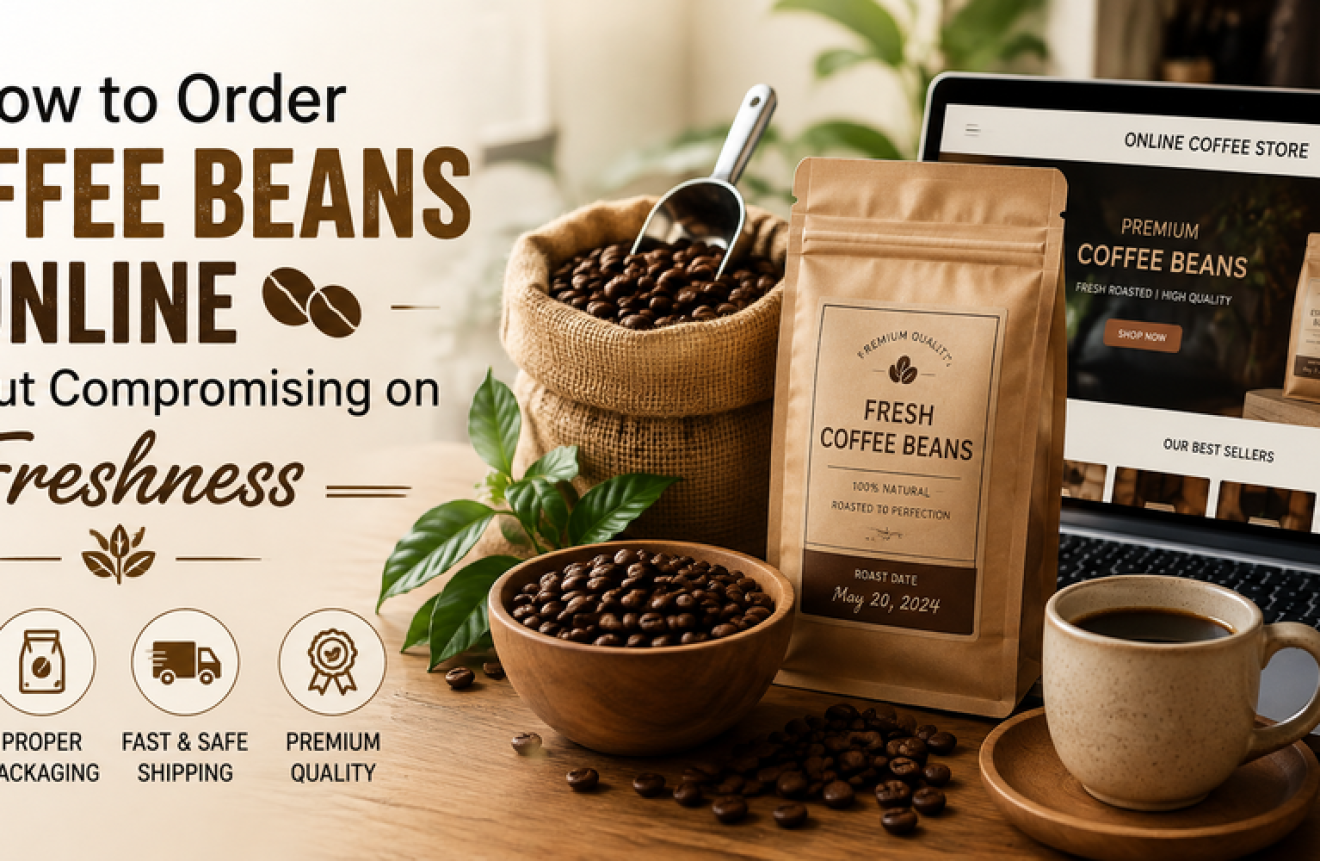
Coffee is one of those everyday pleasures that can either make your morning feel like it’s actually working, or completely ruin it, and the biggest reason for that difference is freshness. More and more people are choosing to order coffee beans online instead of going to a physical store, so learning how to spot real quality (and freshness) has become crucial. Online shopping is super convenient, sure, but it also means you can’t smell them, or lightly touch the beans before you commit. So yeah, what you should look for matters way more than most folks expect.
Why freshness matters more than you think
Coffee beans have naturally rich oils and aromatic compounds, and they start breaking down pretty much the moment the beans get roasted. Once they’re exposed to air, light, moisture, and heat, the decline moves faster, and you lose the very things that make coffee enjoyable in the first place. Stale beans often taste flat, like cardboard, while fresher beans usually give you bright acidity, a more balanced body, and those layered flavor notes that feel deliberate. When you’re comparing coffee beans prices across different online sellers, it’s easy to chase the lowest number, but cheap prices sometimes hint at old stock or lower-grade beans. Freshness should be considered right next to price, because paying a little more for genuinely fresher beans is worth it, rather than saving a bit on coffee that already lost its personality. Whether you’re a home brewer, or you run a café, options like Ciao Italian Coffee Beans 10x500g give you a decent starting point for those who want steady quality, showing up right to your door, and still not giving up on taste or aroma.
Check The Roast Date, Not Just The Expiry Date
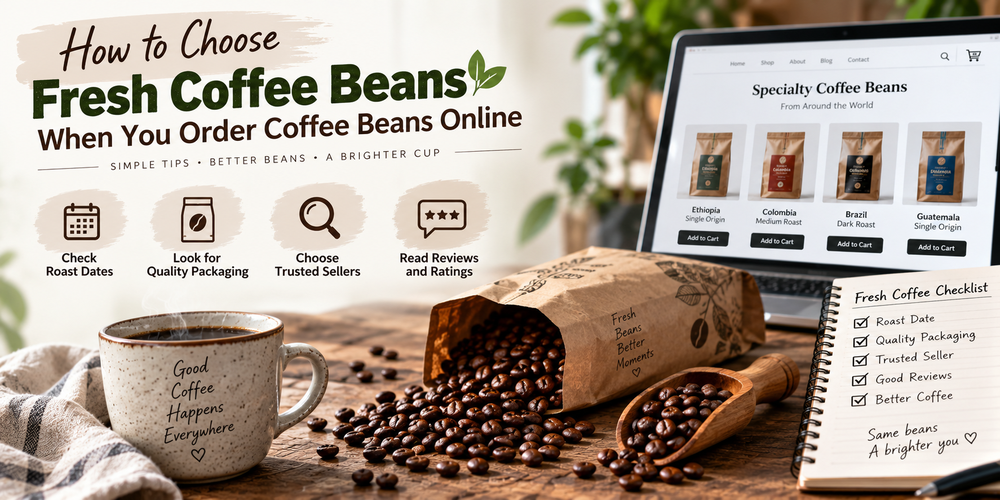
A detail many people skip (and honestly it’s a big one) is the roast date. A lot of packages show only a “best before” date, which can be confusing, because it doesn’t really tell you when the beans were roasted. Ideally, you want to use the beans within two to four weeks after roasting for the best flavor. Sellers who offer coffee beans for sale should print the roast date clearly on the bag or at least on the product page. If a website avoids saying anything about roast timing, that’s usually a red flag. Try to find transparency in labeling, because it often shows how much the brand cares about quality control.
Understand packaging and storage standards
Packaging is a huge deal for preserving freshness during shipping and storage. Look for bags that include a one-way degassing valve, it lets carbon dioxide escape after roasting, without inviting extra oxygen inside. Vacuum-sealed packs, or nitrogen-flushed packaging, are also good signals that the seller takes this seriously. When evaluating a coffee beans dealer, check whether their bags protect against light and moisture too, since clear plastic or loosely sealed pouches can be warning signs for careless handling. Good packaging isn’t just “nice to look at”, it’s basically a clue for how long the beans will stay fresh once they get to your kitchen.
Research The Seller’s Sourcing And Reputation
Not every online shop gets their beans the same way, and that shows up in the cup. A reliable coffee beans supplier should be open about where the coffee comes from, how it’s processed, and how often they roast in smaller batches, versus just mass-producing beans that sit in warehouses for months. Spend a bit of time on reviews, check third-party ratings, and see if there are relevant certifications. Those things can help you separate sellers that genuinely focus on quality from the ones just chasing volume. It also helps if the supplier shares specifics like bean origin, altitude, and processing method usually that level of detail suggests a brand that actually understands what coffee quality needs. If you’re also looking to Buy Jura Coffee Machine, choosing the right machine alongside quality beans can make a noticeable difference in your daily coffee experience. And for people who like a bolder, more robust cup with solid crema, Ciao Barista Coffee Beans 10x500g is a well-known mid-range pick, it balances strength and smoothness, and works for both espresso machines and more traditional brewing methods.
Compare Distributors For Consistency And Bulk Options
If you buy coffee regularly, whether it’s for home or for something like a cafe or office, going with a dependable coffee beans distributor can help you get better consistency and value over time. Distributors often hold stricter quality control because they supply multiple customers who expect a steady taste, batch after batch. This matters a lot for businesses, because customers notice when the flavor suddenly shifts. When comparing distributors, ask about turnover rate, storage conditions, and how often they restock, since faster turnover usually means fresher beans show up to your cup sooner. Buying in bulk from a solid distributor can also cut costs a lot compared to buying small retail packs again and again.
Making the smart choice for order coffee beans online Easily
Picking to order coffee beans online really doesn’t have to feel like rocket science once you know what to pay attention to, like roast dates, the way the bag is made, and how upfront the seller is about everything. Also, consistency across batches matters more than people think. When you catch those details, you can reliably end up with a better cup at home, or even for a business that has to keep standards. If you’re trying to Buy Home Coffee Machines online, it’s worth considering the machine alongside the beans to get better results. If you’re trying to find a steady place that covers all that stuff, dipacicoffeemachine.com has a picked-out lineup of quality coffee beans and machines, kinda built so you can get barista style results without the whole guesswork thing. Making good decisions today means every cup you brew tomorrow should actually match the best version of what it can be.
Frequently Asked Questions
- How long do coffee beans stay fresh after roasting?
Coffee beans usually hit their peak for about two to four weeks after roasting, though they’ll still be usable for a few months if they’re stored correctly.
- Is it better to buy whole beans or pre-ground coffee online?
Whole beans tend to hold onto freshness far longer than pre-ground coffee. Once grinding happens, more surface area is exposed to air , so flavor fades quicker.
- How can I tell if coffee beans are stale?
Stale beans often look a bit lifeless, not shiny, and they’ll smell weaker. When brewed they can taste flat, or sometimes more bitter than you expected.
- What packaging should I look for when buying coffee online?
Try to choose bags with a one-way degassing valve, and materials that seal in air while blocking light. That combo helps keep freshness during shipping, and later storage too.
- Does a higher coffee beans price always mean better quality?
Not always. Very low prices can sometimes mean older stock, or lower-grade beans, so it’s smart to treat price like one clue only, and pair it with roast date plus sourcing clarity.
- How should I store coffee beans at home?
Honestly keep the beans in an airtight container, not near direct sunlight or, you know, heat and moisture. Room temperature is usually the safer bet rather than storing them in the fridge or freezer, because that’s where things can get kind of weird, and the flavor can shift. - What’s the difference between a coffee beans dealer and a distributor?
A dealer tends to sell directly to end buyers. A distributor more often moves bigger quantities around, like to cafés, businesses, and retailers. - Can I request roast dates before purchasing from an online supplier?
Yep, most reliable suppliers will share roast dates when you ask. Many also put the roast info on the product page, but it’s not always easy to spot fast.
- Are single-origin beans fresher than blends?
Not automatically. Freshness depends on roasting timelines and how the beans are stored more than it depends on single-origin versus blended.
- Why should I choose a dedicated coffee beans supplier over a generic grocery store?
Dedicated suppliers often roast in smaller runs, they communicate more clearly, and they usually focus on freshness instead of long shelf life. The end result is usually a cup that tastes noticeably better.